February 12, 2026
As the global population expands and urbanization accelerates, sustainable construction practices have become more significant than ever. The construction industry must reconsider traditional methods and innovate sustainable practices due to environmental concerns and resource constraints. Concrete crushing has emerged as an influential process in achieving these sustainable practices, offering substantial environmental, economic, and societal benefits.
1. Reducing Landfill Waste
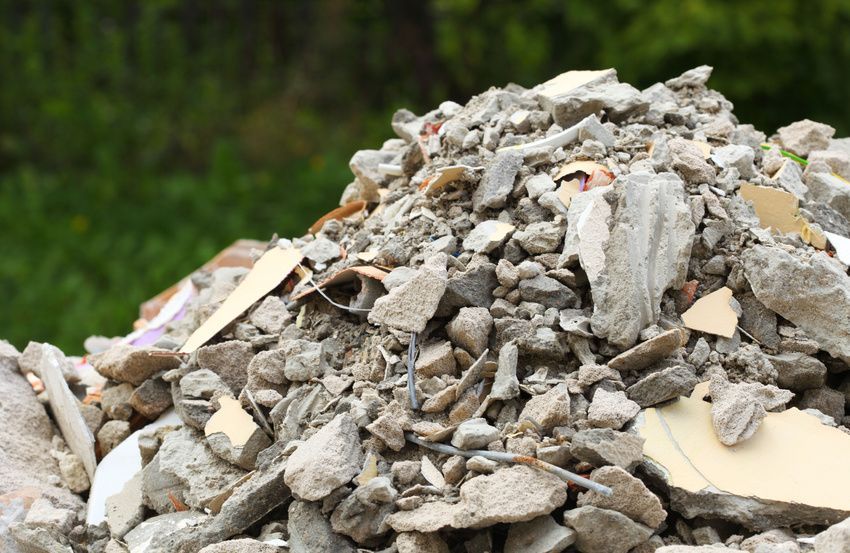
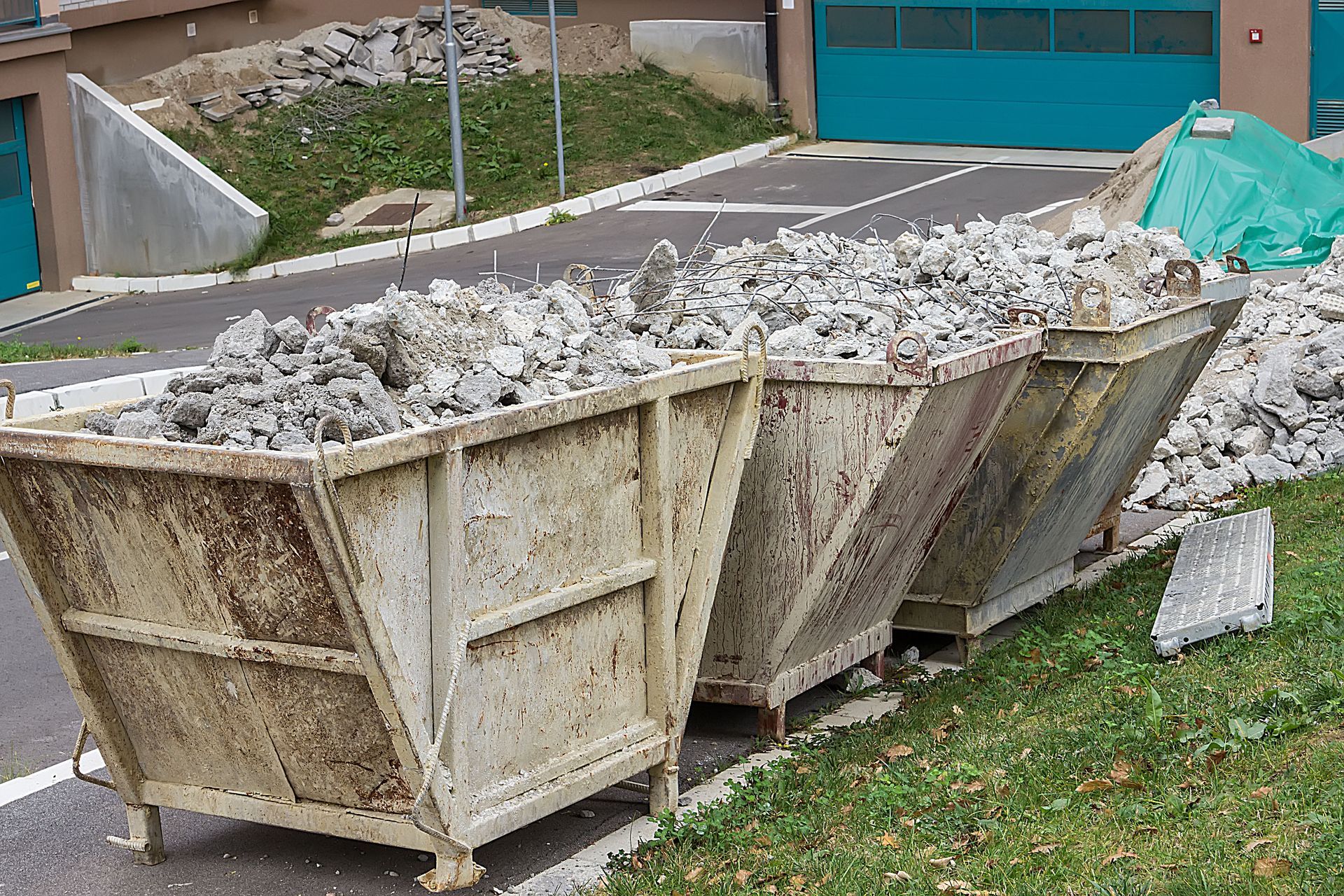
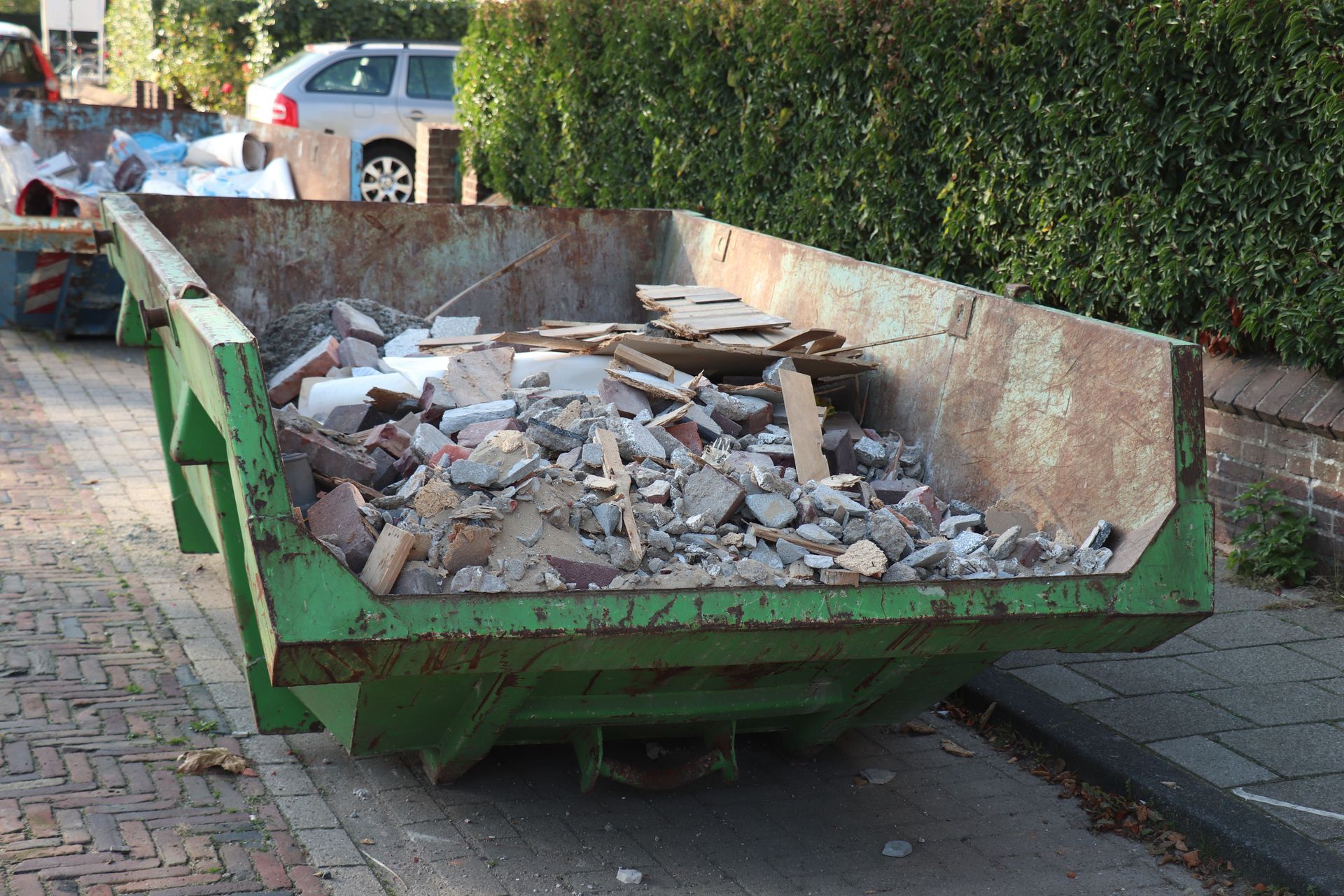
Concrete waste is a significant contributor to landfill mass, with construction and demolition accounting for a large portion of urban waste. Understanding the scale of this waste is crucial for initiating effective management strategies. A local concrete crushing service can play an essential role in mitigating landfill accumulation by recycling concrete debris into reusable materials, thus extending its life cycle. This reduces the pressure on landfills and, by extension, lowers the environmental impact of waste disposal. By embracing concrete crushing, cities can divert significant amounts of waste from landfills, contributing to more sustainable waste management practices.
Diverting concrete waste from landfills presents numerous benefits beyond mere waste reduction. One primary advantage is the conservation of natural resources, as crushed concrete can be transformed into aggregates, reducing the need for new raw materials. This is particularly significant in areas where raw materials are scarce or expensive. Furthermore, reducing the volume of waste in landfills decreases methane emissions, a potent greenhouse gas. Consequently, a local concrete crushing service contributes to lower environmental impacts while supporting ecological conservation efforts.
Implementing effective recycling programs is pivotal in harnessing the benefits of concrete crushing. These programs are designed to facilitate the collection, processing, and repurposing of concrete waste. Education and awareness initiatives are critical components, as they inform stakeholders about the process and the compelling advantages. Moreover, collaboration between municipalities and private enterprises can create efficient systems where concrete waste is systematically redirected from landfills to recycling facilities. Such foresighted initiatives showcase how concrete crushing can be successfully integrated into sustainable urban planning.
2. Lowering Carbon Footprint With Recycled Concrete Aggregate
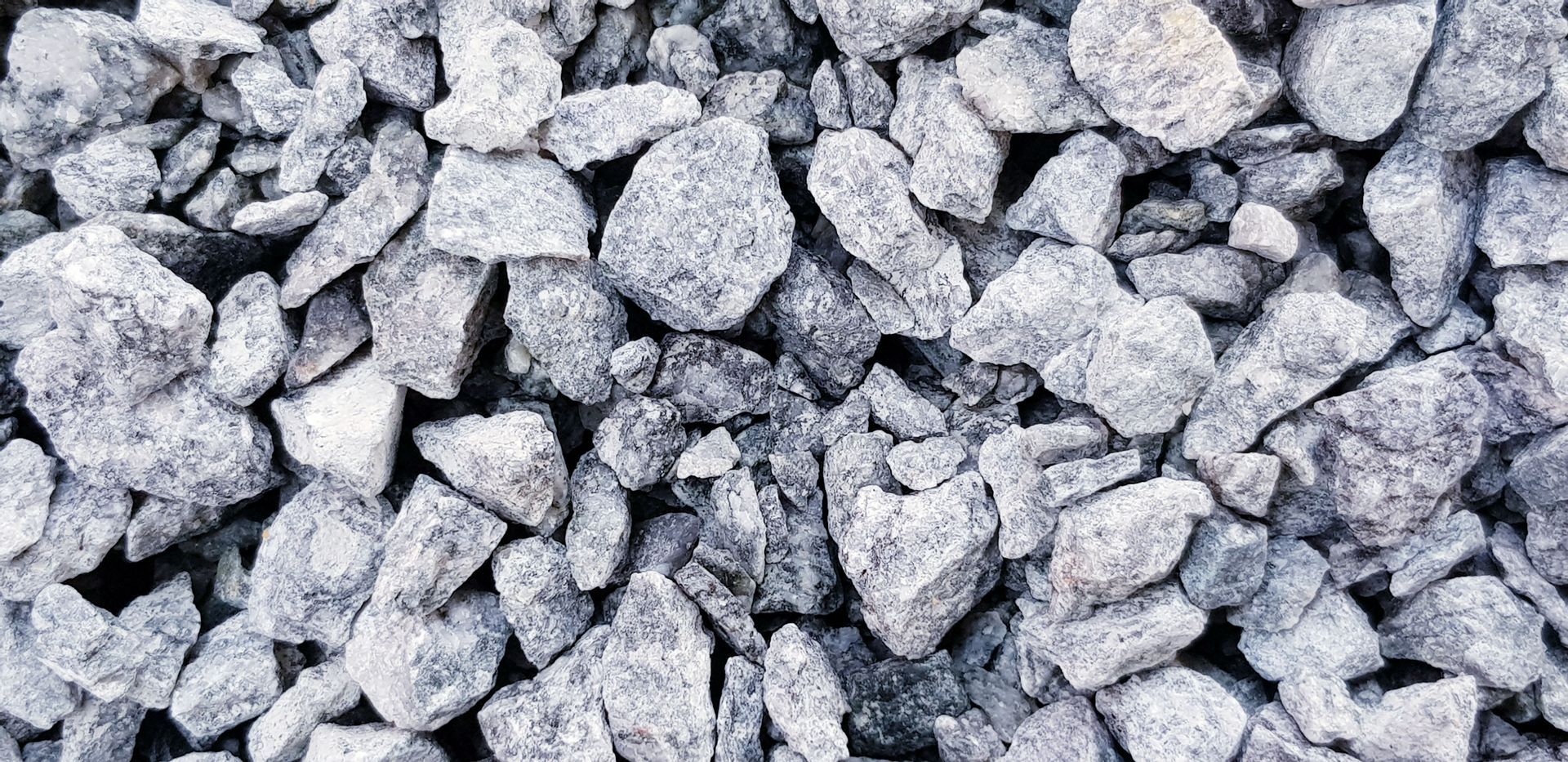
The production of traditional cement is an energy-intensive process, contributing significantly to global carbon emissions. Introducing recycled concrete aggregates (RCA) as an alternative offers a greener solution. RCA is produced through the crushing of concrete waste, which not only decreases carbon emissions directly but also reduces the demand for new cement production. According to Waste Advantage Magazine, over 95% of materials are recovered from the waste produced by demolition and construction, reinforcing the potential of RCA in reducing overall carbon footprints. Thus, using RCA in construction projects makes a tangible difference in carbon mitigation efforts.
Efficient concrete crushing techniques play a key role in optimizing the production of RCA. Innovations such as advanced machinery and improved logistical processes have enhanced the efficiency and quality of the crushing process. These advancements ensure that RCA maintains a high standard suitable for various construction applications. Moreover, reducing energy consumption during crushing lowers the overall carbon footprint associated with recycling. Consequently, these techniques are critical for maximizing the environmental benefits of RCA.
Comparing the carbon footprint of RCA and new concrete further emphasizes the former's environmental advantages. RCA production generally requires less energy, emitting fewer greenhouse gases throughout its lifecycle. Utilizing RCA not only reduces the need for virgin quarrying activities but also saves energy by minimizing transportation requirements. As reports indicate, projects employing RCA demonstrate a noticeable decline in carbon emissions. Therefore, the integration of RCA into construction practices represents a substantial stride towards sustainable development.
Beyond reducing carbon emissions from cement production, using RCA also decreases the environmental impact of aggregate extraction. Traditional concrete relies heavily on natural aggregates like gravel and sand, which require quarrying that disrupts ecosystems, consumes energy, and generates dust and noise pollution. By substituting RCA for virgin aggregates, construction projects minimize these ecological disturbances while preserving natural resources. This dual effect, which includes not only lowering emissions but also reducing environmental degradation, reinforces the role of RCA as a practical and responsible choice in sustainable construction practices.
3. Enhancing Construction Site Efficiency
A local concrete crushing service can enhance construction site efficiency by offering superior alternatives to traditional demolition methods. Instead of removing concrete waste from a construction site, recycling on-site allows for immediate material reuse. This process reduces the volume of waste to be transported and disposed of, thus lowering logistical costs. On-site crushing promotes flexibility in project planning, allowing adjustments to materials used based on real-time need and availability. Furthermore, it reduces dependencies on external supply chains, resulting in fewer delays caused by resource procurement.
Streamlining construction workflows through a local concrete crushing service leads to improved productivity. By integrating recycling processes with construction activities, project timelines can be accelerated. Coordinating demolition and material production operations in tandem enhances logistical efficiency, reducing downtime between project phases. Such synergies result in faster project delivery and often lead to cost savings due to reduced labor requirements. This coordinated approach exemplifies the potential for process innovations in enhancing productivity on construction sites.
Reduction in transportation needs and associated costs is a significant advantage of on-site concrete crushing. By processing concrete waste directly on-site, the necessity for large fleet operations is minimized. This not only lowers fuel consumption and emissions but also decreases transportation expenses considerably. Given the logistical complexities often encountered in construction projects, minimizing transport dependency can prevent delays and reduce risk. Ultimately, leveraging a local concrete crushing service contributes to both environmental sustainability and operational efficiency.
4. Advancing Sustainable Construction Practices
Integrating a local concrete crushing service into LEED (Leadership in Energy and Environmental Design) projects represents a significant advancement in sustainable construction practices. As a recognized framework for green buildings, LEED promotes the use of recycled materials, which can be achieved through concrete crushing processes. These materials contribute to earning credits in the LEED certification, enhancing the overall sustainability rating of a project. This integration not only supports environmental objectives but also appeals to clients seeking sustainable certifications. Therefore, concrete crushing becomes instrumental in advancing prestigious eco-friendly standards within the industry.
Policy and regulatory support for sustainable practices further bolsters the adoption of concrete crushing. Governments worldwide are implementing stricter construction regulations emphasizing environmental protection and resource efficiency. By incentivizing the use of recycled materials, policies can stimulate the uptake of concrete crushing technologies. Additionally, regulatory bodies are investing in research and development to foster innovations that further enhance recycling efficiency. Supportive policies thus create an enabling environment where sustainable practices thrive, promoting widespread industry transformation.
Collaborative efforts between contractors and environmentalists are pivotal to advancing sustainable construction practices. By forming partnerships, stakeholders can align their objectives towards achieving shared environmental goals. Educational initiatives and workshops can foster a deeper understanding of sustainable methodologies among industry professionals. Additionally, collaborations can lead to innovations and practical solutions that address common challenges in recycling processes. These joint endeavors ultimately encourage a collective movement towards a more sustainable future in construction.
A local concrete crushing service offers significant potential to reshape construction practices towards more sustainable models. By reducing landfill waste and lowering carbon footprints, the role of concrete recycling extends far beyond environmental conservation. The integration of such practices is vital for the construction industry's evolution towards sustainability, supported by technological innovation, policy frameworks, and collaborative efforts. Concrete crushing not only contributes to immediate construction improvements but also aligns with long-term sustainability goals, setting the stage for a more resilient and eco-friendly industry future. If you're interested in taking advantage of all the benefits that concrete crushing has to offer, call EcoCrush today and get started with a free estimate!