August 12, 2026
When heavy machinery tears down old bridges, commercial buildings, or worn-out highways, vast amounts of heavy debris remain behind in the rubble. Instead of letting thousands of tons of broken slab pile up or overwhelm local disposal sites, modern construction relies on sustainable reclamation methods to give old building materials new life. Processing demolished structures transforms what once seemed like useless waste into valuable raw materials for future infrastructure development. Through systematic heavy equipment operations, heavy pieces of broken slab are broken down, cleared of metal reinforcement, and sorted into versatile aggregate sizes. Understanding how this material transitions from structural debris back into functional construction media highlights the incredible economic and environmental efficiency of modern industrial recycling efforts.
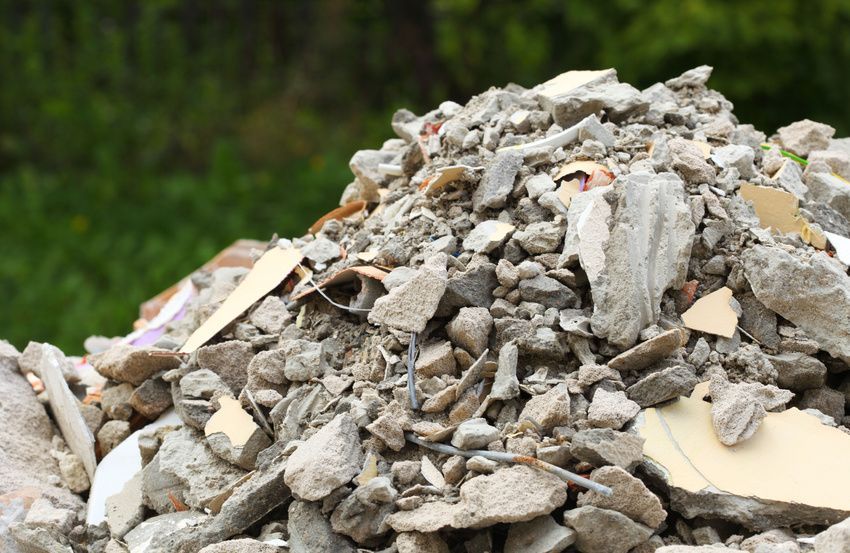
Vast Volume and Demolition Waste
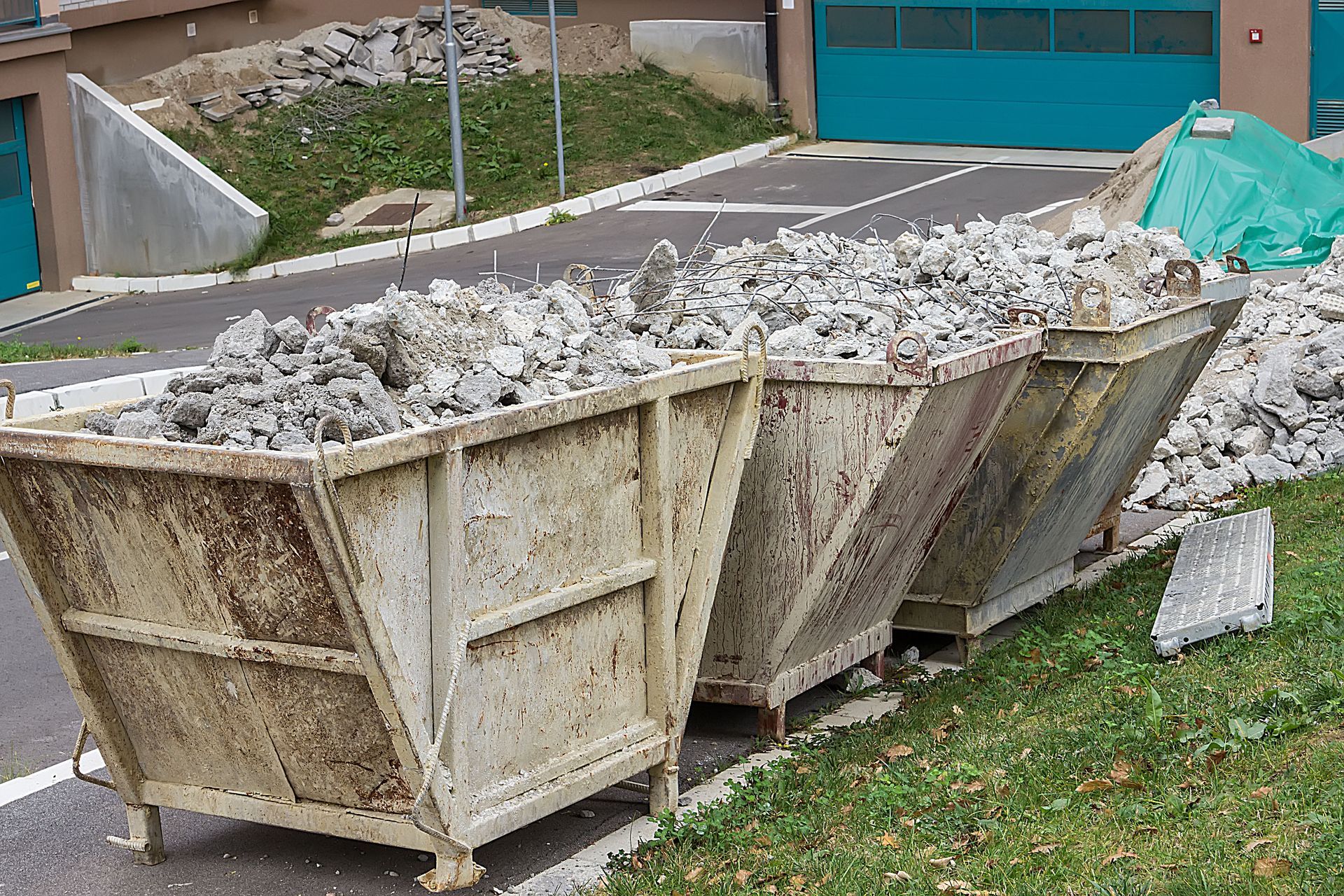
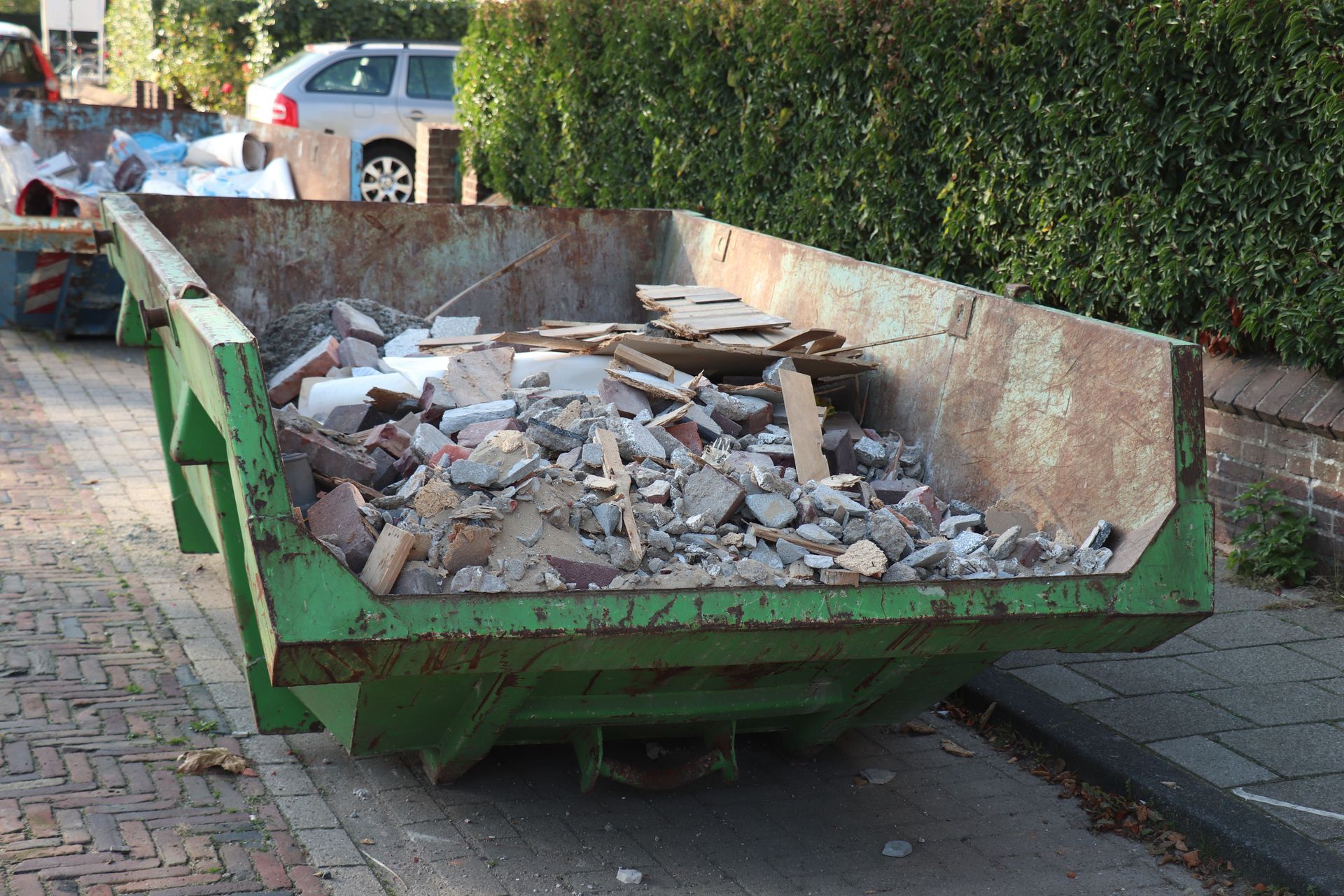
Managing a vast volume of waste requires strategic planning and effective processing solutions to avoid overwhelming local municipal sites. According to the EPA, just over 455 million tons of Construction & Demolition debris were directed to next use and just under 145 million tons were sent to landfills. Managing heavy rubble directly on site significantly reduces transportation overhead, lowers fuel expenditure, and keeps regional waste streams completely manageable. Incorporating professional concrete crushing helps divert massive quantities of dense material away from regional dumps, converting heavy waste into usable base layers for upcoming paving projects.
Initial Collection and Onsite Site Preparation
Before any processing machinery arrives at the site, workers must carefully organize and prepare the workspace. Large excavators equipped with hydraulic shears and mechanical claws break up giant slabs into manageable sizes for loading. Clearing away dirt, organic brush, and general construction trash ensures the incoming feed material remains clean and uniform. Establishing efficient material piles prevents equipment jams and keeps processing continuous throughout the workday. Systematic preparation establishes a safe work zone where heavy machinery can continuously process raw debris without unnecessary delays, ensuring every single ton of material moves seamlessly toward processing.
Primary Breaking and Sizing Operations
Once the demolition area is organized, heavy slabs enter the primary processing stage to reduce overall material dimensions. Giant jaw machinery utilizes immense mechanical force to squeeze large blocks of hardened material until they fracture into smaller chunks. This initial reduction creates a uniform feed size that easily transitions into secondary sorting equipment. Professional crews monitor feed rates closely to ensure steady throughput without overloading the mechanical jaws. Efficient primary reduction forms the backbone of the entire reclamation operation, transforming massive structural fragments into manageable rubble that moves cleanly along conveyor belts.
Removing Metal and Steel Reinforcements
Old buildings and road surfaces contain massive amounts of steel rebar and wire mesh embedded within the structure. As heavy jaw machinery breaks apart the hardened material, embedded steel components are exposed and freed from the surrounding mass. Industrial magnetic separators installed along belt conveyors continuously pull steel pieces out of the material stream, depositing the metal into dedicated recycling bins. Removing steel contaminants protects downstream screening equipment from expensive damage and yields high-purity recycled aggregate. Separating metal reinforcement creates two valuable recyclable streams from a single demolition site, turning scrap steel into an additional revenue source for the project.
Secondary Crushing and Material Refinement
After metal removal, the remaining material undergoes secondary processing to achieve precise aggregate shapes and sizes. Impact machinery uses high-speed rotors and heavy breaker plates to shatter the chunks into uniform angular pieces. This refining phase allows operators to produce specific aggregate blends designed for distinct construction needs. Adjusting machine speed and internal clearances gives operators complete control over final product dimensions. Quality control checks are often performed throughout this process to verify consistency and ensure the material meets project requirements. Efficient concrete crushing during this stage ensures the finished aggregate meets strict grading specifications for future structural applications, creating a dependable foundation product that is ready for use in a wide range of construction projects.
Screening and Grading into Precise Aggregate Sizes
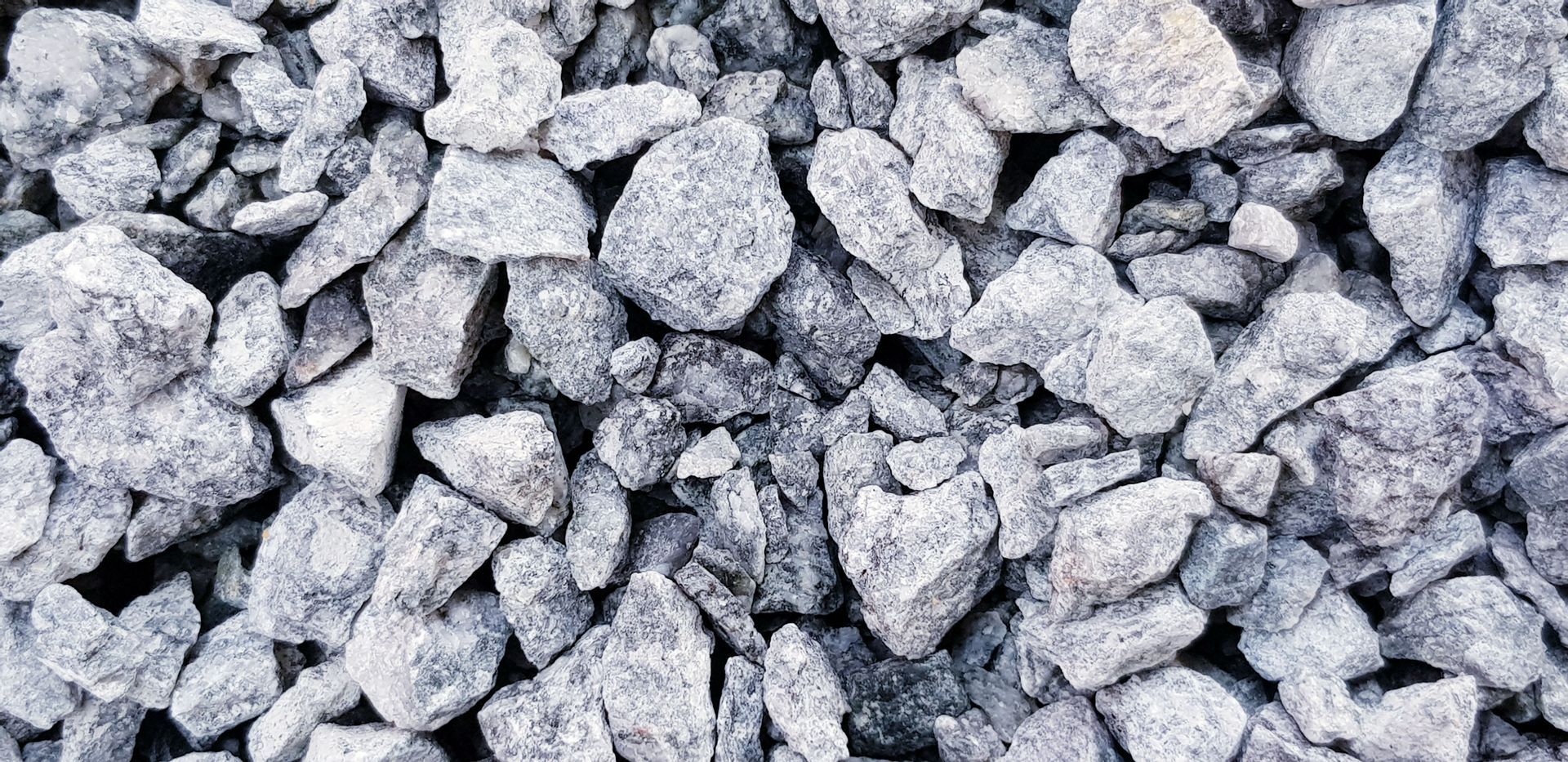
Passing refined material across multi-deck vibrating screens separates the processed aggregate into uniform size categories. Fine powders, medium gravels, and coarse stones drop through distinct wire mesh layers into designated storage bays. Sorting by particle size allows construction teams to utilize specific fractions for foundations, road base, or pipe bedding. Excessively large pieces that fail to pass through the screens return automatically to the impact equipment for further processing. Precise screening transforms mixed rubble into standardized commercial products ready for immediate reuse across various structural construction applications.
Environmental Advantages and Local Material Reclamation
Reclaiming heavy structural materials directly near demolition sites yields significant environmental benefits for growing communities. Reusing existing aggregates minimizes the need to open new natural rock quarries, preserving local landscapes and natural ecosystems. Furthermore, reducing long-haul trucking runs cuts diesel fuel consumption and lowers overall vehicle emissions in regional corridors. Integrating regular concrete crushing operations into urban renewal projects supports regional sustainability goals while keeping heavy trucks off public roadways. Local material recovery creates a cleaner, far more efficient construction model for modern cities committed to sustainable growth.
Economic Value and Contractors and Developers
Processing structural waste offers substantial financial advantages for project owners and general contractors. Reclaiming material directly on site eliminates expensive tipping fees charged by regional commercial landfills. Additionally, project managers save money by substituting recycled aggregates for costly virgin stone mined from distant quarries. These double savings on disposal and procurement directly improve project profit margins while keeping schedules on track. On-site concrete crushing transforms what was once considered a costly removal expense into a valuable material asset that offsets overall construction costs.
Versatile Applications and Recycled Aggregates
Finished recycled aggregate serves a wide range of practical construction and civil engineering uses. Sub-base layers beneath new highways, commercial parking lots, and walkways heavily rely on the strong compaction characteristics of crushed material. The angular shape of recycled aggregates creates an interlocking structure that provides exceptional load-bearing stability under heavy traffic. Furthermore, coarse concrete crushing makes an excellent drainage media around utility trenches and retaining walls. Many municipalities and commercial developers also specify recycled aggregate for infrastructure improvements because of its consistent performance and reliability. Utilizing recycled aggregates ensures stable performance across diverse building and civil projects, delivering long-term structural durability for years to come.
Modern Mobile Equipment and Technological Efficiency
Advances in heavy equipment design have made mobile processing plants far more efficient and flexible than past stationary setups. Modern track-mounted equipment can maneuver directly into tight urban spaces, processing material right where demolition occurs. Advanced dust suppression systems and sound-dampening enclosures allow operations to continue safely near active residential neighborhoods. Utilizing advanced concrete crushing equipment streamlines site clearing and accelerates overall project timelines. Compact, powerful machinery ensures that modern recycling operations remain fast, compliant, and cost-effective on every job site, regardless of size restrictions.
Transforming heavy structural debris into high-quality aggregate is a cornerstone of modern, sustainable construction practices. By breaking down massive slabs, removing steel reinforcements, and carefully screening for size, recycling turns potential waste into an indispensable building resource. This efficient processing loop lowers project expenses, relieves pressure on regional landfills, and protects natural stone reserves from over-pumping. Embracing structured material recovery allows developers to build stronger communities while prioritizing environmental responsibility. Contact EcoCrush today to learn how concrete crushing can optimize your next construction project.